
As I stood in my kitchen, the aroma of sizzling vegetables filled the air, whisking me back to my favorite takeout spot. Who needs fast food when you can whip up Easy Homemade Panda Express Chow Mein in under 20 minutes? This delightful recipe transforms simple Asian noodles into a savory, satisfying dish that’s perfect for busy weeknights. Imagine customizing it with your favorite veggies and proteins, all while keeping your budget intact. It’s not just about flavor; it’s about bringing your family together around the dinner table with a quick meal that beats takeout any day. So, are you ready to bring a taste of that beloved restaurant experience right into your home? Let’s get cooking!
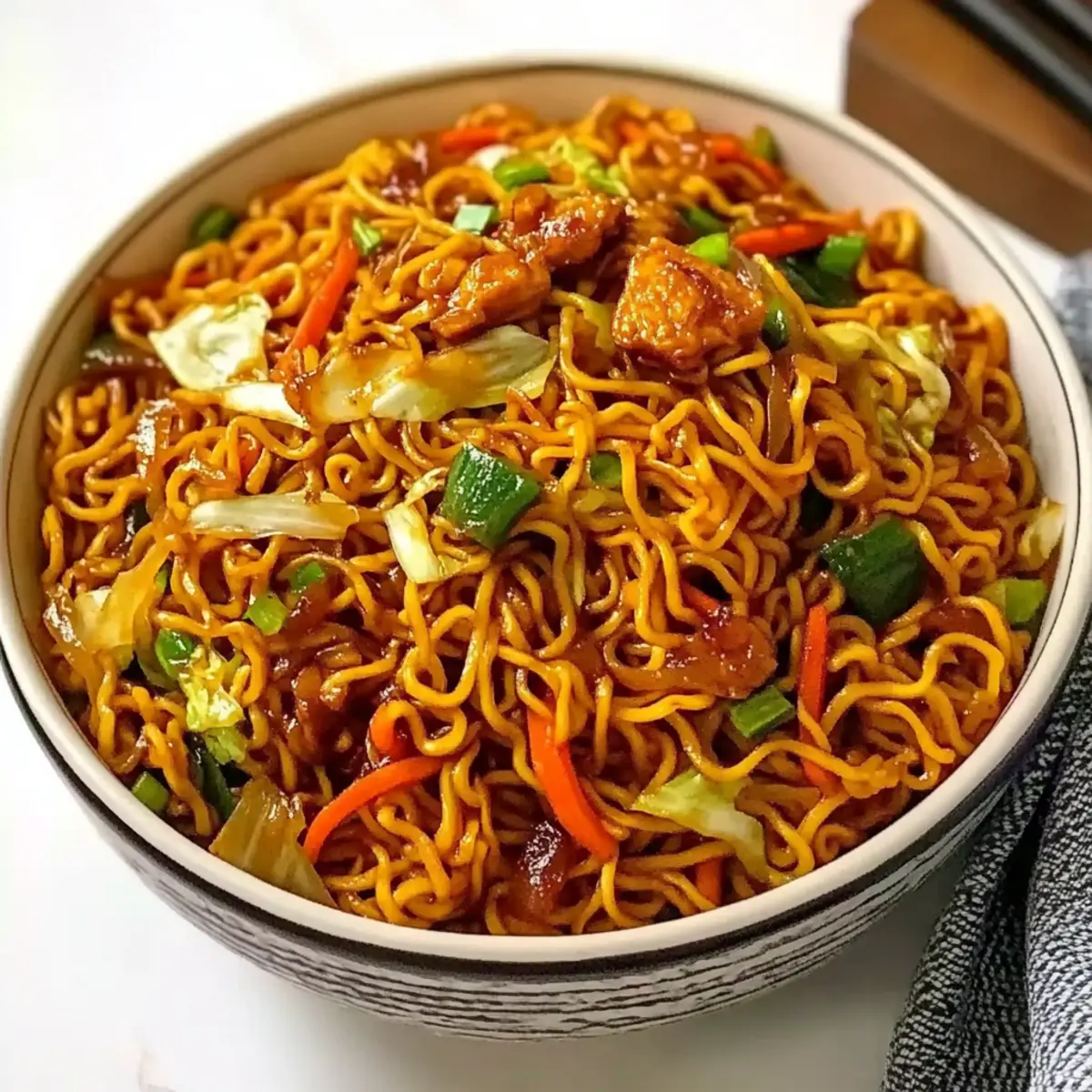
Why Make Homemade Asian Noodles?
Speedy Preparation: Whip up this dish in under 20 minutes, perfect for hectic weeknights.
Endless Customization: Tailor it with your favorite vegetables and proteins, making each batch unique!
Budget-Friendly: Enjoy restaurant-quality flavors without breaking the bank—great for families!
Nostalgic Flavors: Experience the savory, slightly sweet taste of your favorite takeout right at home.
Crowd-Pleasing: This recipe is sure to impress family and friends alike, making dinner a delightful event! Pair it with some homemade Chicken Noodle Noodles for a full meal experience.
Asian Noodles Ingredients
• Here’s everything you need to create your delicious chow mein!
For the Noodles
- Chow Mein Noodles – The core of this dish, you can also use dried lo mein or spaghetti if that’s what you have on hand.
For the Sauce
- Soy Sauce – Adds fantastic umami flavor; tamari is a great gluten-free substitute.
- Oyster Sauce – Brings depth and richness to the dish; hoisin works well for a sweeter twist.
- Sesame Oil – Infuses the dish with a lovely fragrance; if you don’t have it, canola or vegetable oil is a fine alternative.
- Sugar – Balances the savory flavors and enhances sweetness for the perfect taste.
- Black Pepper – A pinch adds a subtle heat that complements the entire dish wonderfully.
For the Vegetables
- Onion – This gives a great base flavor and sweetness to the chow mein.
- Carrots – Adds color and a bit of crunch; feel free to slice them thin for quicker cooking.
- Cabbage – Provides volume and great texture; can be substituted with other greens if you’re low on stock.
- Bean Sprouts – Offers a delightful crunch; perfect for finishing the dish.
- Garlic – A must for that extra flavor kick; fresh garlic delivers the best results.
For the Protein (optional)
- Chicken, Beef, or Shrimp – Go for your favorite protein to make this dish heartier and even more delicious!
Enjoy whipping up these Asian noodles as you create a comforting meal that is truly your own!
Step‑by‑Step Instructions for Easy Homemade Panda Express Chow Mein
Step 1: Cook the Noodles
Bring a large pot of water to a boil over high heat. Add chow mein noodles and cook according to package directions until just tender, usually around 3-5 minutes. Once al dente, drain the noodles in a colander and rinse them under cold water to stop the cooking process. Toss them gently with a bit of oil to prevent sticking, setting them aside for later.
Step 2: Prepare the Sauce
In a small bowl, combine soy sauce, oyster sauce, sesame oil, sugar, and black pepper. Whisk the mixture thoroughly until the sugar dissolves, creating a flavorful sauce that will elevate your chow mein. Set the sauce aside so that the flavors can meld together while you prep the vegetables.
Step 3: Sauté the Vegetables
Heat a tablespoon of oil in a large wok or skillet over high heat until shimmering. Add sliced onion and carrots, tossing them quickly for about 2 minutes until they begin to soften and slightly caramelize. The vibrant colors will brighten your dish, signaling that it’s time to add the next batch of veggies.
Step 4: Add More Veggies
Incorporate the shredded cabbage, bean sprouts, and minced garlic to the pan. Stir-fry for an additional 2-3 minutes, allowing the vegetables to remain crisp yet tender. Look for a bright, fresh appearance to ensure they’re cooked perfectly, ready to complement your chow mein noodles.
Step 5: Combine Noodles and Sauce
Add the rinsed chow mein noodles back to the wok along with the prepared sauce. Toss everything together thoroughly, ensuring the noodles are well-coated and heated through, which should take about 2-3 minutes. The dish should sizzle gently, and the sauce will cling beautifully to the noodles and vegetables.
Step 6: Final Touches
Once everything is heated through and coated in that savory sauce, give the chow mein a final toss to ensure an even distribution of flavor. Remove from heat and let it rest for a moment, allowing the aromas to blend. The vibrant colors and enticing smell will guarantee a delightful dining experience.
Step 7: Serve and Enjoy
Spoon your homemade Panda Express Chow Mein onto serving plates or in bowls. Enjoy it immediately while it’s warm, perhaps garnishing with chopped green onions or sesame seeds for an extra touch. This homemade dish is sure to be a hit, offering that beloved takeout experience right in your home!
Make Ahead Options
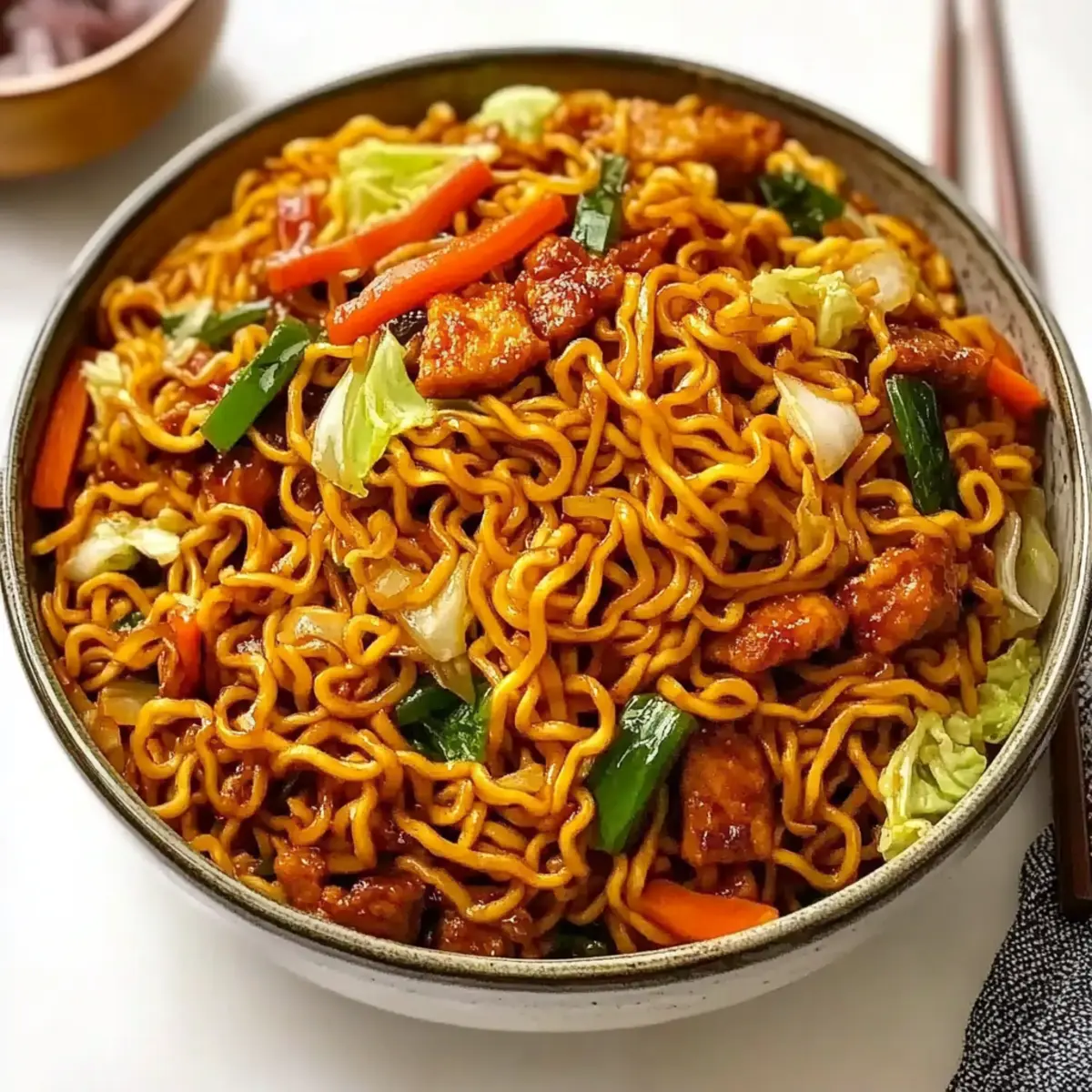
These Easy Homemade Panda Express Chow Mein are perfect for busy weeknights and can save you time during meal prep! You can cook the chow mein noodles and store them in the refrigerator for up to 3 days. Simply toss them with a bit of oil after rinsing to prevent sticking. Additionally, you can chop your vegetables—like onions, carrots, and cabbage—and store them in an airtight container for up to 24 hours. When you’re ready to enjoy this dish, just stir-fry the vegetables, add your prepped noodles along with the sauce, and heat everything through for delicious, homemade chow mein that tastes just as fresh!
Storage Tips for Asian Noodles
-
Fridge: Store leftovers in an airtight container for up to 3 days. This helps maintain the flavors and prevents the noodles from drying out.
-
Freezer: You can freeze cooked chow mein for up to 2 months. Just ensure it’s in a freezer-safe container and labeled with the date.
-
Reheating: For optimal texture, reheat in a skillet over medium heat with a splash of water or broth to revive the noodles—a little stir-frying brings back that delightful chew!
-
Fresh Ingredients: If you have any leftover vegetables from the recipe, store them separately in the fridge and add them during reheating for a fresh crunch—perfect for your Asian noodles!
What to Serve with Easy Homemade Panda Express Chow Mein?
Picture a vibrant table filled with a symphony of flavors that perfectly complement your delightful Asian noodles, creating an unforgettable meal experience.
-
Crispy Egg Rolls: These golden-brown bites are stuffed with savory vegetables, providing a delightful crunch that pairs harmoniously with the soft and chewy chow mein.
-
Steamed Dumplings: Soft and filled with juicy goodness, dumplings make for a perfect counterpoint to the bold flavors of your noodles, bringing a beautiful texture contrast to each bite.
-
Sweet and Sour Chicken: This tangy dish adds a delightful balance; the sweetness cuts through the savory notes, making your dish feel like an authentic takeout experience.
-
Hot and Sour Soup: A warm bowl of this spicy, tangy soup serves as an excellent starter, awakening your palate and setting the stage for your flavorful meal.
-
Sesame Green Beans: Lightly sautéed with garlic and sesame, these green beans offer crunch and freshness, acting as a refreshing counterpart to the richness of the chow mein.
-
Mango Sticky Rice: For a touch of sweetness to finish off your meal, this dessert combines fragrant rice with creamy coconut milk and fresh mango, leaving you with a comforting, tropical note.
-
Iced Green Tea: Refreshing and slightly bitter, this drink balances out the savory flavors of the noodles, making your meal even more enjoyable.
-
Coconut Water: Its subtle sweetness and hydrating properties provide a vibrant, tropical twist, complementing the delightful flavors of your homemade chow mein beautifully.
Asian Noodles Variations & Substitutions
Feel free to experiment with this recipe and create your own delightful twists that please your taste buds!
-
Dairy-Free: Substitute oyster sauce with a blend of hoisin and a splash of water for creaminess without dairy.
Many people enjoy this version, finding it just as rich with a lovely touch of sweetness. -
Gluten-Free: Use tamari instead of soy sauce and swap chow mein noodles for rice noodles to create a gluten-free dish.
This ensures everyone can enjoy the flavors without compromising dietary needs. -
Veggie Boost: Add in broccoli, bell peppers, or snap peas for extra color and nutrition; they cook quickly and add crunch.
Combining different veggies adds delightful variety and makes the dish more vibrant. -
Protein Choice: Incorporate different proteins like tofu, turkey, or pork for a heartier meal that’s satisfying.
Each protein offers a unique flavor profile, so try different combinations for varied tastes! -
Spicy Kick: Toss in red pepper flakes or a drizzle of sriracha to elevate the heat level to your preference.
It’s a fun way to challenge your taste buds, and you can easily adjust the spice to suit your crowd. -
Sweet & Savory: Add a teaspoon of honey or maple syrup to the sauce for a touch of sweetness that balances the savory notes beautifully.
This twist can really elevate the overall flavor, creating a harmony that your family will love. -
Crispy Texture: Finish the dish with fried garlic or shallots for a crunchy topping that’s bursting with flavor.
The contrast in texture adds an exciting element to the chow mein experience. -
Savorier Depth: Mix in a splash of cooking wine or add mushrooms for a deeper umami flavor that rounds out the dish.
These additions can transport your taste buds straight to your favorite Asian restaurant, right from your kitchen!
By customizing your chow mein, you can create several unique family dinners while enjoying the homemade charm. Don’t forget to pair this dish with some lovely sides, like delicious homemade Chicken Noodle Noodles, for a full meal experience!
Expert Tips for Perfect Chow Mein
- High Heat Magic: Use the highest heat possible to achieve that slight char and authentic flavor, mimicking restaurant-style Asian noodles.
- Don’t Overcook: Keep your vegetables crisp-tender by stir-frying just until they’re vibrant but still have a bit of crunch—aiming for that perfect texture.
- Rinse Your Noodles: Always rinse cooked chow mein noodles with cold water and toss with a little oil before stir-frying to prevent sticking and achieve a delightful mouthfeel.
- Flavor Balance: Taste and adjust the sauce as needed; you can add more sugar if you prefer sweetness or soy sauce for extra saltiness.
- Protein Options: Amp up your dish by adding a protein like chicken or shrimp; just sauté them beforehand to ensure they’re cooked through.

Panda Express Copycat Chow Mein Recipe FAQs
What type of noodles should I use for chow mein?
Absolutely! For chow mein, fresh chow mein noodles are ideal, but you can also use dried lo mein noodles or even spaghetti in a pinch. If you’re feeling adventurous, try rice noodles for a gluten-free option; just adjust your cooking time accordingly!
How should I store leftover chow mein?
Very easy! Store any leftovers in an airtight container in the refrigerator for up to 3 days. This helps keep the flavors intact. When you’re ready to enjoy again, reheat it in a skillet over medium heat, adding a splash of water or broth to maintain moisture.
Can I freeze chow mein for later?
Certainly! You can freeze your cooked chow mein for up to 2 months. Just place it in a freezer-safe container, label it with the date, and make sure to cool it completely before freezing. When you’re ready to eat it, thaw in the fridge overnight and reheat in a skillet for the best texture.
What if my chow mein turns out too soggy?
Not a problem at all! If your chow mein is soggy, it might have been overcooked or too much liquid was added. To fix this, sauté the dish over high heat for a few minutes to evaporate the excess moisture while keeping the veggies crisp. For next time, rinse your noodles well to remove excess starch and don’t skip the tossing with oil!
Are there any dietary substitutions for this chow mein recipe?
Sure thing! If you’re looking for gluten-free options, use tamari instead of soy sauce and rice noodles instead of chow mein noodles. For a vegetarian version, you can skip the meat entirely, or add tofu for some extra protein. It’s all about personal preferences and dietary needs—feel free to make it your own!
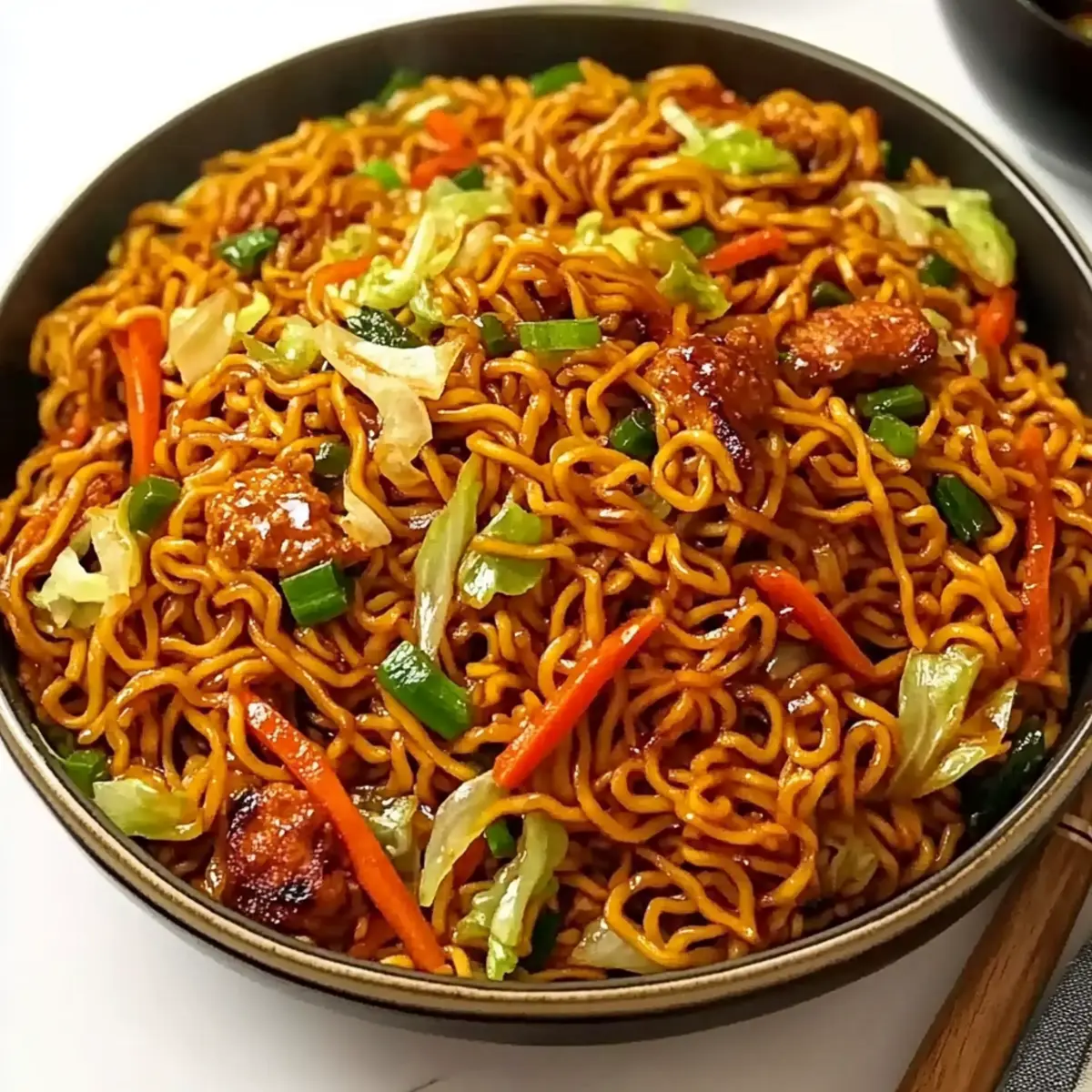
Quick and Flavorful Asian Noodles You'll Love at Home
Ingredients
Equipment
Method
- Bring a large pot of water to a boil over high heat. Add chow mein noodles and cook according to package directions until just tender, for about 3-5 minutes. Drain and rinse under cold water to stop cooking, then toss with a bit of oil.
- In a small bowl, combine soy sauce, oyster sauce, sesame oil, sugar, and black pepper. Whisk until the sugar dissolves.
- Heat a tablespoon of oil in a large wok or skillet over high heat. Add sliced onion and carrots, cooking for about 2 minutes until softened.
- Add shredded cabbage, bean sprouts, and minced garlic to the pan. Stir-fry for an additional 2-3 minutes.
- Add the rinsed chow mein noodles back to the wok along with the sauce. Toss together until well-coated and heated, about 2-3 minutes.
- Once heated and coated, remove from heat and let rest for a moment before serving.
- Serve immediately, garnishing with chopped green onions or sesame seeds if desired.
Leave a Reply