
As I was flipping through old family recipes, I stumbled upon a gem that transformed my perspective on vegetables: the Korean Vegetable Pancake, or Yachaejeon. These crispy delights are not just a way to use up leftover greens; they turn everyday veggies into a golden, crunchy comfort food that’s perfect for any meal of the day. Quick to whip up and effortlessly customizable based on what you have on hand, Yachaejeon is also vegetarian-friendly and can easily be adapted for a vegan lifestyle. Whether served as a snack, a hearty breakfast, or a side dish, you’ll find that these pancakes are a delicious way to bring a taste of Korea to your kitchen. Ready to discover how to elevate your vegetable game? Let’s dive into this delightful recipe together!
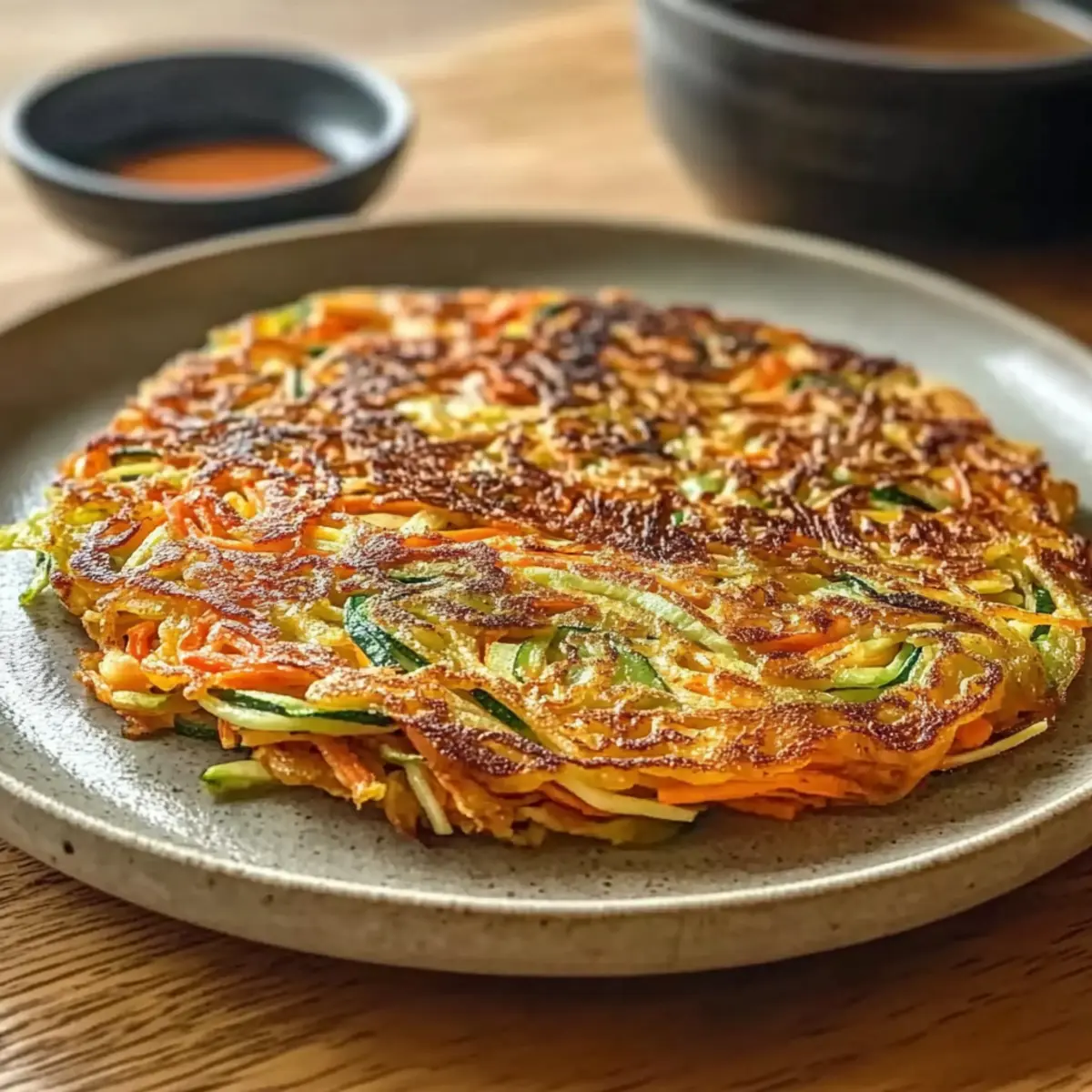
Why are Korean Vegetable Pancakes a Must-Try?
Crispy Texture: Each bite offers a satisfying crunch coupled with a soft interior, making them the perfect comfort food for any occasion.
Customizable Ingredients: Use whatever veggies you have on hand! From carrots to zucchini or even mushrooms, the options are endless, allowing you to tailor the recipe to your taste.
Quick to Make: Yachaejeon can be whipped up in no time, making it an ideal solution for busy weeknights or unexpected guests.
Vegetarian & Vegan-Friendly: Easily adapt this dish to suit your dietary needs or those of your friends with simple swaps.
Crowd Favorite: Serve these golden pancakes at your next gathering or as a fun family meal, and watch them disappear! Pair them with a dipping sauce to elevate the experience. If you love the idea of simple yet flavorful dishes, check out this Korean Milk Cream for a sweet finish!
Korean Vegetable Pancake Ingredients
For the Batter
- Julienned carrots – Adds sweetness and vibrant color; substitute with any mild, crunchy vegetable.
- Thinly sliced green cabbage – Provides moisture and texture; other leafy greens can work as well.
- Julienned zucchini – Offers a soft bite, but can swap with cucumber for a lighter flavor.
- Green onions (2-inch strips) – Enhances flavor with a mild oniony taste; regular onions can be used in less quantity.
- Thinly sliced onion – Contributes sweetness; shallots can give a gentler flavor if preferred.
- Julienned red bell pepper – Adds color and sweetness; yellow or orange bell peppers are great substitutes.
- All-purpose flour – Essential for structure in the pancakes; feel free to use gluten-free flour as a substitute.
- Rice flour (optional) – Increases crispiness; leaving it out works for a simpler recipe.
- Salt – For overall seasoning.
- Garlic powder (optional) – Adds depth; fresh minced garlic can also be used for a robust flavor.
- Cold water – Important for batter consistency; cold water ensures the pancakes are crisp.
- Neutral oil (for frying) – Necessary for frying; vegetable or canola oil works well.
For the Dipping Sauce
- Soy sauce – Provides that delicious umami flavor; tamari is a fantastic gluten-free option.
- Rice vinegar – Adds the necessary acidity; any mild vinegar can work as a substitute.
- Sesame oil – Delivers a nutty finish; peanut oil can be utilized for a different twist.
- Gochugaru or red pepper flakes – Adds heat and color; chili powder can be used for a milder kick.
- Optional toppings – Chopped green onion or sesame seeds make delightful garnishes.
Enjoy crafting your perfect Korean Vegetable Pancakes, and watch as you transform simple ingredients into a comforting dish that’s bound to impress!
Step‑by‑Step Instructions for Korean Vegetable Pancake
Step 1: Prepare the Vegetables
Begin by thinly slicing or julienning your selected vegetables, such as carrots, green cabbage, zucchini, and bell peppers. Aim for uniform pieces to ensure even cooking. Place the prepared vegetables in a large mixing bowl and toss them together. This creates the colorful base for your Korean Vegetable Pancake, enhancing both flavor and presentation.
Step 2: Make the Batter
In a separate mixing bowl, combine all-purpose flour, optional rice flour, salt, and garlic powder. Gradually add cold water while whisking until you achieve a smooth batter with a pourable consistency. This batter will bring all the elements together in your Korean Vegetable Pancake, so ensure there are no lumps and it’s perfectly mixed.
Step 3: Combine Batter and Vegetables
Carefully pour the batter over the mixed vegetables in the large bowl. Gently toss to coat the veggies without overmixing, as you want to maintain texture. The goal is to have every vegetable evenly bathed in the batter, which will give your pancakes a delightful crunch once cooked.
Step 4: Heat the Oil
In a non-stick skillet, heat a generous layer of neutral oil over medium-high heat. Allow the oil to reach shimmering heat, which typically takes about 2-3 minutes. You can test the readiness by dropping a small amount of the batter into the oil—it should sizzle immediately. This is crucial for achieving that crispy edge we crave in Korean Vegetable Pancakes.
Step 5: Cook the First Pancake
Once the oil is hot, spoon half the vegetable-batter mixture into the skillet. Press it down gently into a round pancake, about half an inch thick. Cook for approximately 3-4 minutes until the bottom reaches a golden brown color and crispy texture—it should release easily from the pan when it’s ready to flip.
Step 6: Flip and Finish Cooking
Carefully flip the pancake using a spatula and cook for another 3-4 minutes on the opposite side. Keep an eye on the edges; they should crisp up beautifully while the center cooks through. The goal is to achieve a golden, crispy crust on both sides for your Korean Vegetable Pancake.
Step 7: Repeat with Remaining Mixture
Once the first pancake is done, transfer it to a plate. Repeat the process with the remaining batter, ensuring the oil is hot enough before adding each new pancake. You may need to adjust the heat if it’s too high or low. Consistency in temperature is key for achieving perfect texture.
Step 8: Mix the Dipping Sauce
In a small bowl, whisk together the soy sauce, rice vinegar, sesame oil, and gochugaru or red pepper flakes for a flavorful dipping sauce. This sauce will complement the savory notes of your Korean Vegetable Pancakes impeccably, adding an extra layer of taste that’s sure to impress.
Step 9: Serve and Enjoy
Serve your Korean Vegetable Pancakes hot, alongside the dipping sauce. Garnish with optional toppings like chopped green onions or sesame seeds for added flair. These pancakes are best enjoyed fresh, allowing you to experience the delightful contrast of crispy and tender textures right off the skillet.
Make Ahead Options
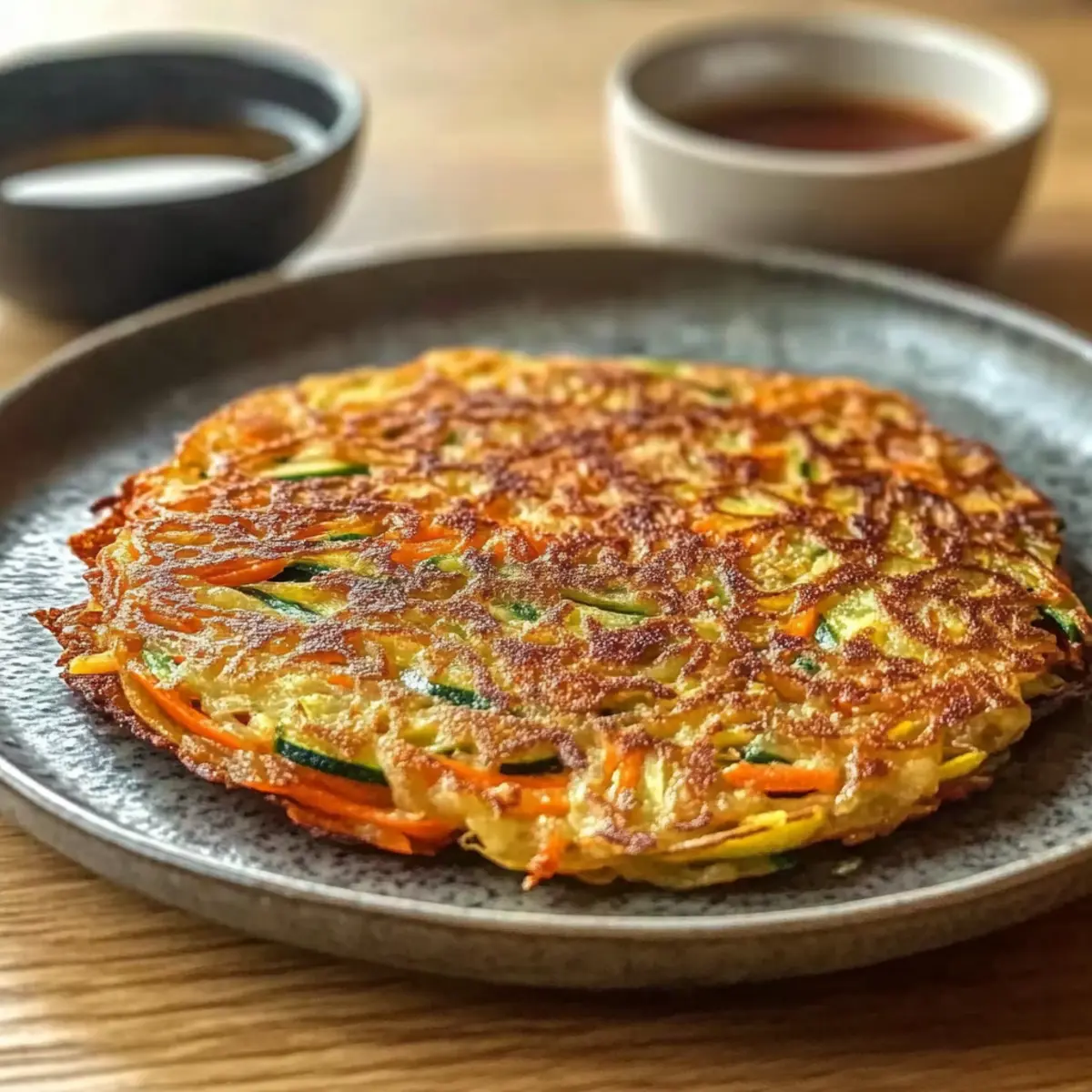
For busy home cooks, these Korean Vegetable Pancakes (Yachaejeon) are a fantastic meal prep option! You can chop and mix the vegetables (like carrots, zucchini, and cabbage) up to 24 hours in advance, storing them in an airtight container in the refrigerator to maintain freshness. The batter can also be prepared and kept separately for up to 3 days. Just be sure to refrigerate it to prevent the flour from absorbing moisture, which can affect texture. When you’re ready to serve, simply combine the prepped ingredients, cook as instructed, and enjoy restaurant-quality pancakes with minimal effort. These smart make-ahead tips ensure you can whip up a delicious meal even on the busiest of nights!
Korean Vegetable Pancake Customizations
Feel free to get creative and make this pancake recipe your own with these delightful variations!
-
Dairy-Free: Opt for a plant-based milk in the batter for a vegan twist without losing flavor.
Add a splash of almond or soy milk to keep things creamy, yet dairy-free. -
Spice It Up: Enhance the heat level with jalapeños or sriracha in the batter.
A little kick can bring an exciting depth to your pancakes—perfect for the spice lovers! -
Ingredient Swap: Substitute zucchini with grated sweet potatoes for added sweetness.
This swap offers a lovely hint of caramelization, making every bite a tasty adventure. -
Protein Boost: Add diced tofu or cooked shrimp for a more substantial meal.
These additions can turn your pancakes into a filling dish, great for lunch or dinner. -
Herb-Infused: Stir in fresh herbs like cilantro or parsley for a refreshing twist.
Herbs not only brighten the flavor but also add a lovely aroma, elevating the overall experience. -
Flavorful Flour: Try using chickpea or buckwheat flour for a unique taste and a gluten-free option.
Each type of flour can add its delightful complexity to the pancakes, making them even more special. -
Vegetable Medley: Incorporate a mix of colorful vegetables like spinach or chopped broccoli for a nutritious boost.
More veggies mean more flavor and textures, making each pancake even more satisfying! -
Delicious Dips: Pair with a zesty yogurt sauce or spicy kimchi for extra flavor.
These sides will complement your pancakes perfectly, creating a feast for the senses.
And if you’re looking to explore more, try these tasty recipes: Korean Rice Balls for a delightful snack, or enjoy some delicious Healthy Sautéed Vegetables alongside your pancakes!
What to Serve with Crispy Korean Vegetable Pancake
Delight in creating a full, flavorful meal that complements the crispy, savory notes of Yachaejeon.
- Steamed White Rice: A comforting side that absorbs the delicious dipping sauce while balancing the pancake’s crunch.
- Miso Soup: This warm, umami-rich broth enhances the meal and brings nourishing comfort to your dining experience.
- Kimchi: Tangy and spicy, kimchi adds a vibrant kick that perfectly contrasts the mild flavors of the pancake, creating a dynamic duo.
- Crispy Tofu: Each bite of tofu offers a soft texture, complimenting the crunchiness of the pancakes while amplifying protein content.
- Fresh Cucumber Salad: Light and refreshing, this crunchy salad brings a bright crunch that cuts through the richness, adding balance.
- Pickled Radish: The tangy acidity pairs wonderfully with the savory pancakes, offering a delightful crunch and a burst of flavor.
- Soda or Sparkling Water: A bubbly drink brings a refreshing finish, cutting through the savory notes while enhancing your overall dining experience.
- Fruit Sorbet: A light and sweet dessert option, this frozen treat cleanses the palate after the savory flavors and leaves you feeling refreshed.
Expert Tips for Korean Vegetable Pancake
Crispier Pancakes: Use cold water for the batter to ensure a perfectly crisp texture. Warm water can lead to sogginess.
Don’t Overload: Keep the batter-to-vegetable ratio balanced. Overloading with veggies can result in a heavy pancake that lacks crispness.
Serve Fresh: For the best taste and texture, serve these Korean Vegetable Pancakes right after cooking. Leftovers can become soggy.
Experiment Freely: Feel free to mix and match vegetables, but stick to those that maintain their structure when cooked. Popular choices include mushrooms and bell peppers.
Perfecting Flips: Use a wide spatula to flip the pancakes easily, ensuring even cooking on both sides and preventing breakage.
Dipping Sauce Variations: Customize your dipping sauce by adjusting the spiciness or adding honey for a touch of sweetness, enhancing the overall experience.
How to Store and Freeze Korean Vegetable Pancake
Fridge: Keep cooked Korean Vegetable Pancakes in an airtight container for up to 2 days. Reheat in a skillet over medium heat for a crispy texture.
Freezer: For longer storage, freeze the uncooked batter in a sealed bag for up to 1 month. Thaw in the fridge overnight before cooking.
Reheating: When reheating pancakes, a non-stick skillet is ideal to regain that lovely crispiness; add a little oil if needed.
Serving Tips: These pancakes are best served hot, so try to enjoy them fresh whenever possible for the ultimate comfort food experience!
Korean Vegetable Pancake Recipe FAQs
What vegetables work best for Korean Vegetable Pancakes?
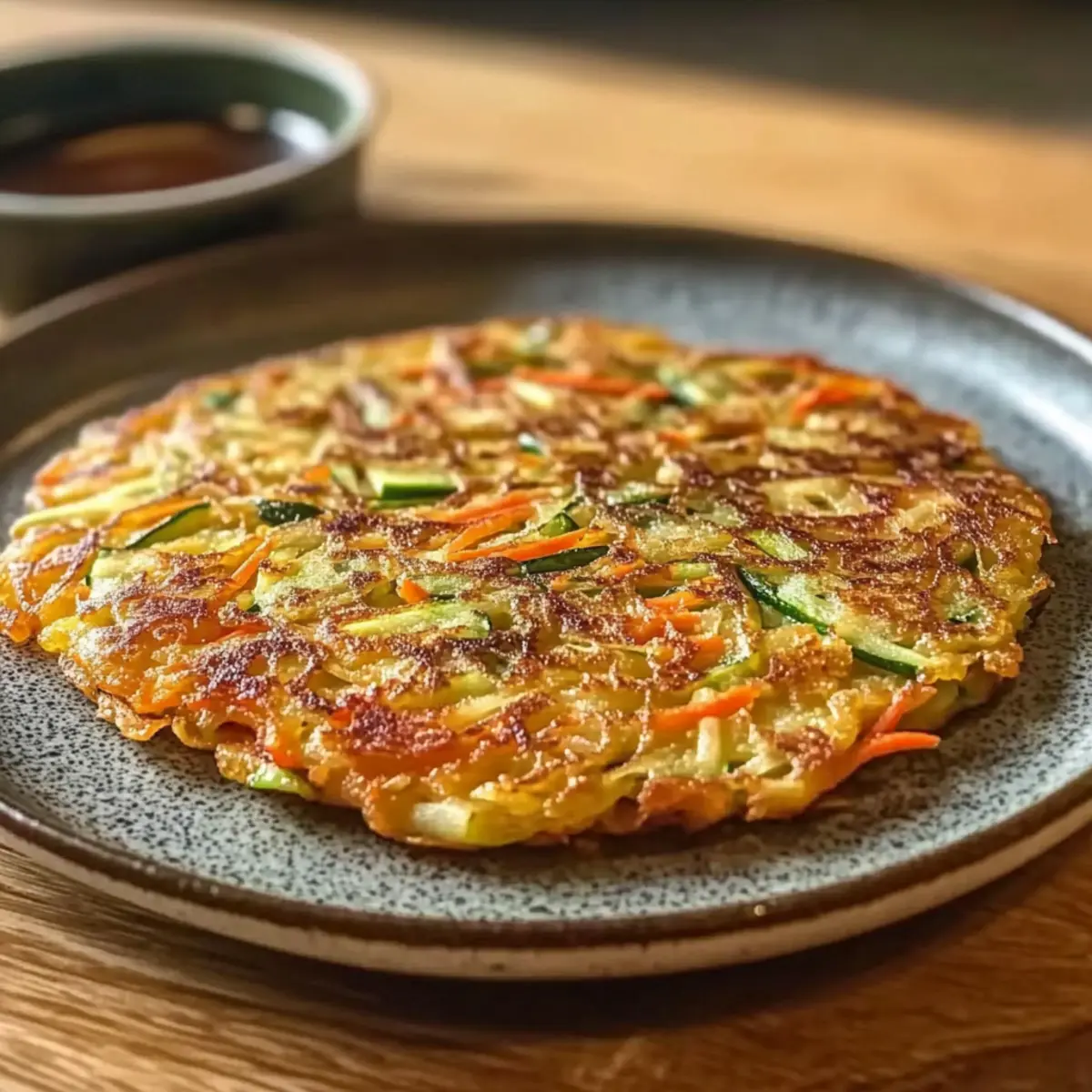
Absolutely! You can use a variety of vegetables for your Yachaejeon. Julienned carrots, zucchini, and thinly sliced cabbage are classic choices, but feel free to swap these with whatever you have on hand, such as mushrooms, bell peppers, or even grated potatoes. The key is to choose mild-flavored veggies that hold their shape during cooking, ensuring that each dish comes out well.
How should I store leftover Korean Vegetable Pancakes?
You can store cooked Korean Vegetable Pancakes in an airtight container in the fridge for up to 2 days. To maintain their crispy texture, reheat them on a non-stick skillet over medium heat for about 1-2 minutes on each side, adding a drizzle of oil if necessary to crisp them up again. Trust me, enjoying them fresh is the best way to appreciate their crunch!
Can I freeze Korean Vegetable Pancake batter?
Yes, you can! If you’d like to prepare in advance, freeze the uncooked batter in a zip-top bag for up to 1 month. Just make sure to remove as much air as possible before sealing. When you’re ready to cook, thaw the batter in the refrigerator overnight. Once thawed, give it a gentle stir to combine everything again and then you can proceed to cook them as usual.
What should I do if my pancakes are soggy after cooking?
Soggy pancakes can be disappointing, but don’t worry! This usually happens when too many vegetables are packed into each pancake or if the oil isn’t hot enough. To avoid that, ensure that your batter-to-vegetable ratio stays balanced and keep your oil heated to shimmering before cooking. If you find them soggy after cooking, you can crisp them up again by reheating them on a skillet. A little extra oil can help regain that delightful crunch!
Are Korean Vegetable Pancakes suitable for vegetarians and vegans?
Yes, they are! Traditional Yachaejeon is vegetarian and can easily be made vegan by simply skipping any non-plant-based ingredients in the dipping sauce. For example, using tamari instead of soy sauce will keep it gluten-free as well! The recipe offers versatility, allowing you to enjoy these pancakes without concern for dietary restrictions.
Can I make Korean Vegetable Pancakes gluten-free?
Very! To make your Yachaejeon gluten-free, simply swap the all-purpose flour for a gluten-free flour blend. You might also want to check that any sauces or other ingredients you use, like soy sauce, are labeled gluten-free. This way, you can fully enjoy this wonderful dish without compromising on taste!
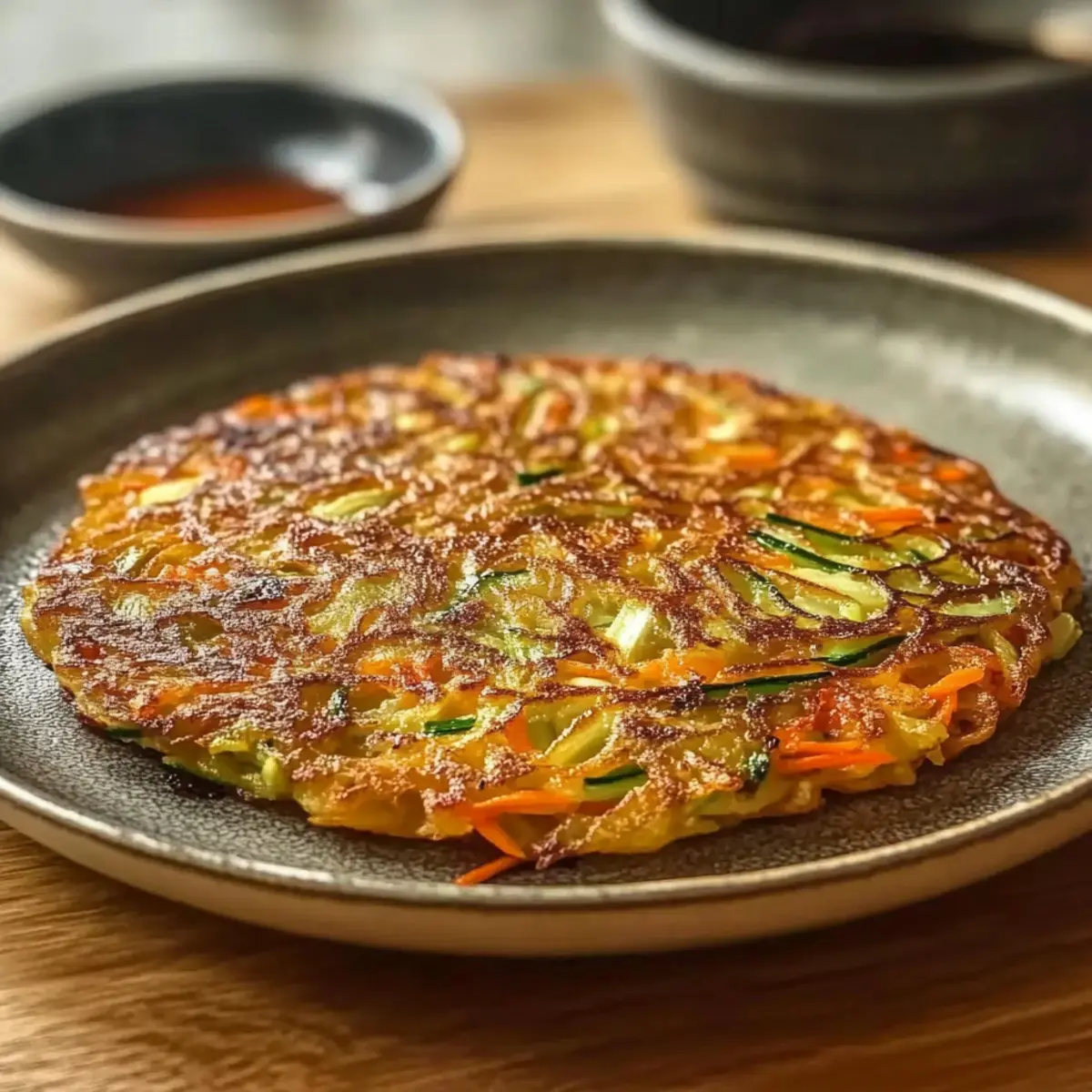
Crispy Korean Vegetable Pancake Recipe for Quick Comfort
Ingredients
Equipment
Method
- Prepare the Vegetables: Slice or julienne your selected vegetables and toss them in a large mixing bowl.
- Make the Batter: Combine flour, rice flour, salt, and garlic powder. Gradually add cold water while whisking until smooth.
- Combine Batter and Vegetables: Pour the batter over the mixed vegetables and gently toss to coat.
- Heat the Oil: In a skillet, heat a layer of neutral oil over medium-high heat until shimmering.
- Cook the First Pancake: Spoon half the mixture into the skillet, press into a round shape, and cook until golden brown, about 3-4 minutes.
- Flip and Finish Cooking: Carefully flip the pancake and cook the other side until golden and crispy, another 3-4 minutes.
- Repeat with Remaining Mixture: Transfer the first pancake to a plate and repeat with the remaining mixture.
- Mix the Dipping Sauce: Whisk together soy sauce, rice vinegar, sesame oil, and gochugaru in a small bowl.
- Serve and Enjoy: Serve hot alongside the dipping sauce and optionally garnish with green onions or sesame seeds.
Leave a Reply