
As the chill of winter settles in, there’s nothing quite as nurturing as a steaming bowl of Korean winter soup. This delightful dish wraps you in warmth with its tender beef, creamy tofu, and vibrant vegetables, all simmered together in a deeply flavorful broth. My recipe for Comforting Korean Winter Soup provides a taste of home, making it perfect for cozy nights in and even better for sharing with loved ones. Plus, it’s incredibly versatile—whether you’re gluten-free or vegetarian, I’ve got you covered with easy substitutions to suit every palate. Ready to create a memorable meal that will have everyone asking for seconds? Let’s dive in!
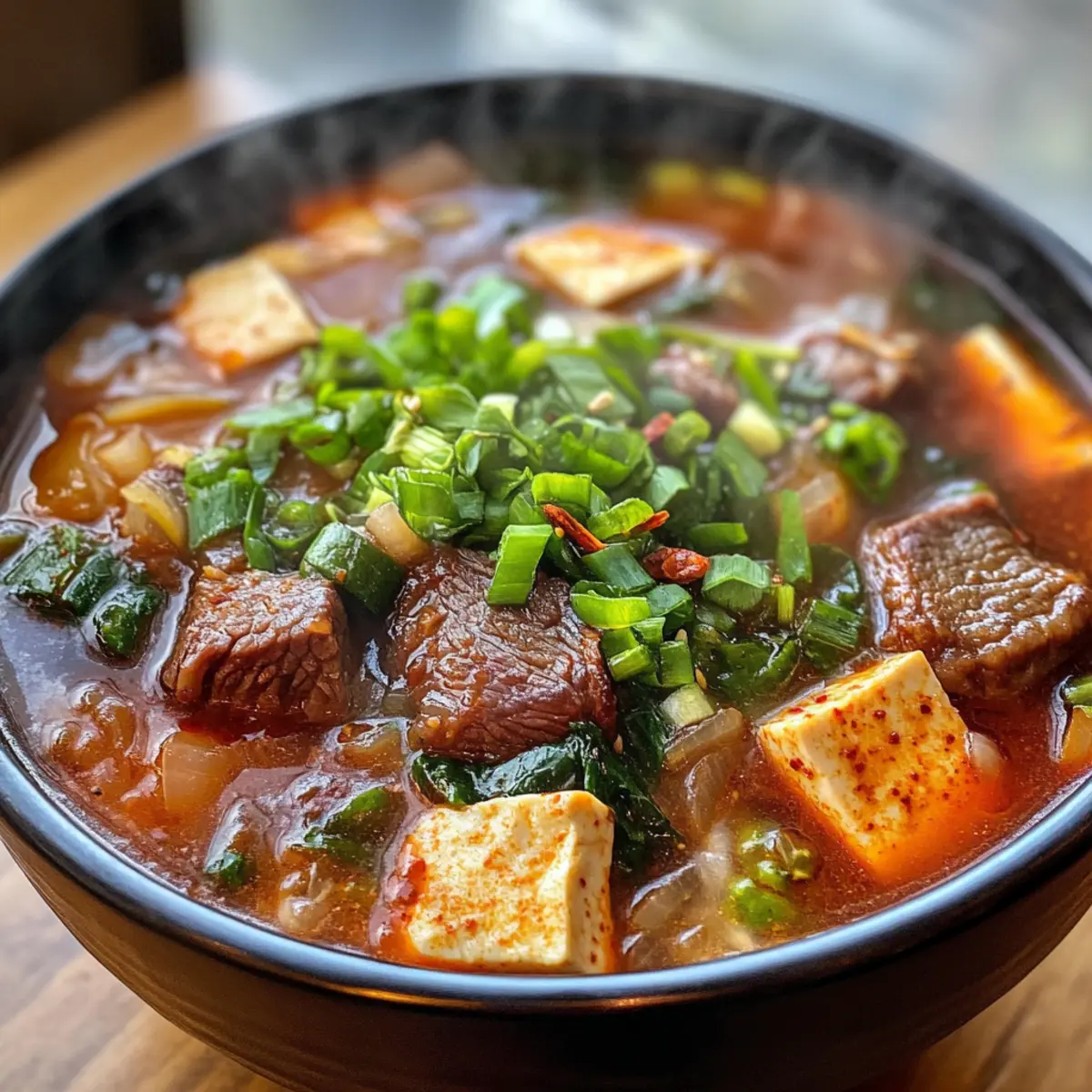
Why is Korean Winter Soup a Must-Try?
Comforting Warmth: This soup is the definition of coziness, perfect for cold winter nights.
Savory Depth: The rich broth is infused with tender beef and aromatic garlic and ginger, creating layers of mouthwatering flavor.
Easy Substitutions: Whether you prefer a meat-free option or need gluten-free alternatives, this recipe is adaptable to your dietary needs.
Crowd-Pleasing Appeal: It’s a family favorite that guarantees no leftovers, and pairs wonderfully with homemade kimchi or Chicken Noodle Soup for a complete feast.
Time-Saving Creation: In just over an hour, you can have a hearty meal on the table, making weeknight dinners a breeze.
This Korean winter soup is more than just a dish; it’s an experience that invites warmth, love, and shared moments around the dinner table.
Korean Winter Soup Ingredients
For the Broth
- Beef Short Ribs – Rich in flavor, these are essential for an authentic taste; feel free to swap with beef shank or oxtail for a similar result.
- Guk Ganjang (Korean Soup Soy Sauce) – The key seasoning that enhances the broth; substitute with regular soy sauce plus fish sauce for depth, or tamari for a gluten-free version.
- Garlic – Essential for aromatic depth; fresh garlic adds a fragrant touch.
- Ginger – Brightens the broth with its spiciness; consider using freshly grated ginger for maximum aroma.
For the Veggies
- Tofu – Provides creaminess and protein; opt for soft tofu for a delicate texture or firm tofu for a sturdier bite.
- Korean Leeks – They add a lovely depth of flavor; use regular leeks or a mix of green onions and chives if Korean leeks are unavailable.
- Radish – Infuses slight sweetness and improves texture when cooked; daikon radish works well as a substitute.
- Green Onions – Perfect for garnish, they bring freshness and color; don’t forget to include the roots for extra flavor!
This Korean winter soup is a heartwarming dish that can easily be tailored to your dietary needs while delivering comfort and deliciousness in every bowl.
Step‑by‑Step Instructions for Korean Winter Soup
Step 1: Prepare Beef
Soak the beef short ribs in cold water for 1 hour, allowing them to draw out excess blood. This step is crucial for enhancing the flavor of your Korean winter soup and ensuring a clearer broth. After soaking, drain and pat the ribs dry, readying them for a robust cooking process.
Step 2: Aromatics Prep
While the beef soaks, prepare the aromatic ingredients. Halve a whole yellow onion (keeping the skin on for added flavor), and chop ginger and garlic. Also, trim and clean the green onions, including the roots for a flavor boost. These delightful aromatics will create a fragrant base for your Korean winter soup.
Step 3: Broth Creation
In a large stock pot, combine the soaked ribs with your prepared aromatics and add 10 cups of water. Bring the mixture to a vigorous boil over medium-high heat. This boiling action will start the magic of developing a rich broth for your comforting Korean winter soup.
Step 4: Skimming
Once boiling, reduce the heat to medium and, using a ladle, skim off any brownish foam that forms on the surface. This process is essential for clarity and smoothness in the broth. Let it simmer gently for 1 hour, stirring occasionally, until the beef becomes tender, while retaining a lovely deep flavor.
Step 5: Add Radish
After 1 hour, introduce sliced radish to the pot, stirring it into the simmering broth. This addition will not only enhance the flavor but also add a delightful sweetness to your Korean winter soup. Allow the mixture to continue simmering for an additional 20 minutes, until the radish is tender.
Step 6: Strain
Once the radish has cooked down, carefully remove all the aromatics and beef from the pot using a slotted spoon or fine strainer. Retain the flavored broth, ensuring that it is clear and fragrant, ready to be seasoned and enjoyed in your heartwarming Korean winter soup.
Step 7: Season
Return the clear broth to a gentle heat. Stir in the guk ganjang, a pinch of sea salt, and any remaining minced garlic for an extra kick. Simmer for another 10 minutes, letting the flavors meld together beautifully, culminating in a savory and rich Korean winter soup.
Step 8: Serve
To finish, ladle the hearty soup into bowls and garnish each serving with freshly sliced green onions and a dash of black pepper for an aromatic touch. This nourishing Korean winter soup pairs perfectly with steamed rice, creating a fulfilling meal that is sure to warm your soul.
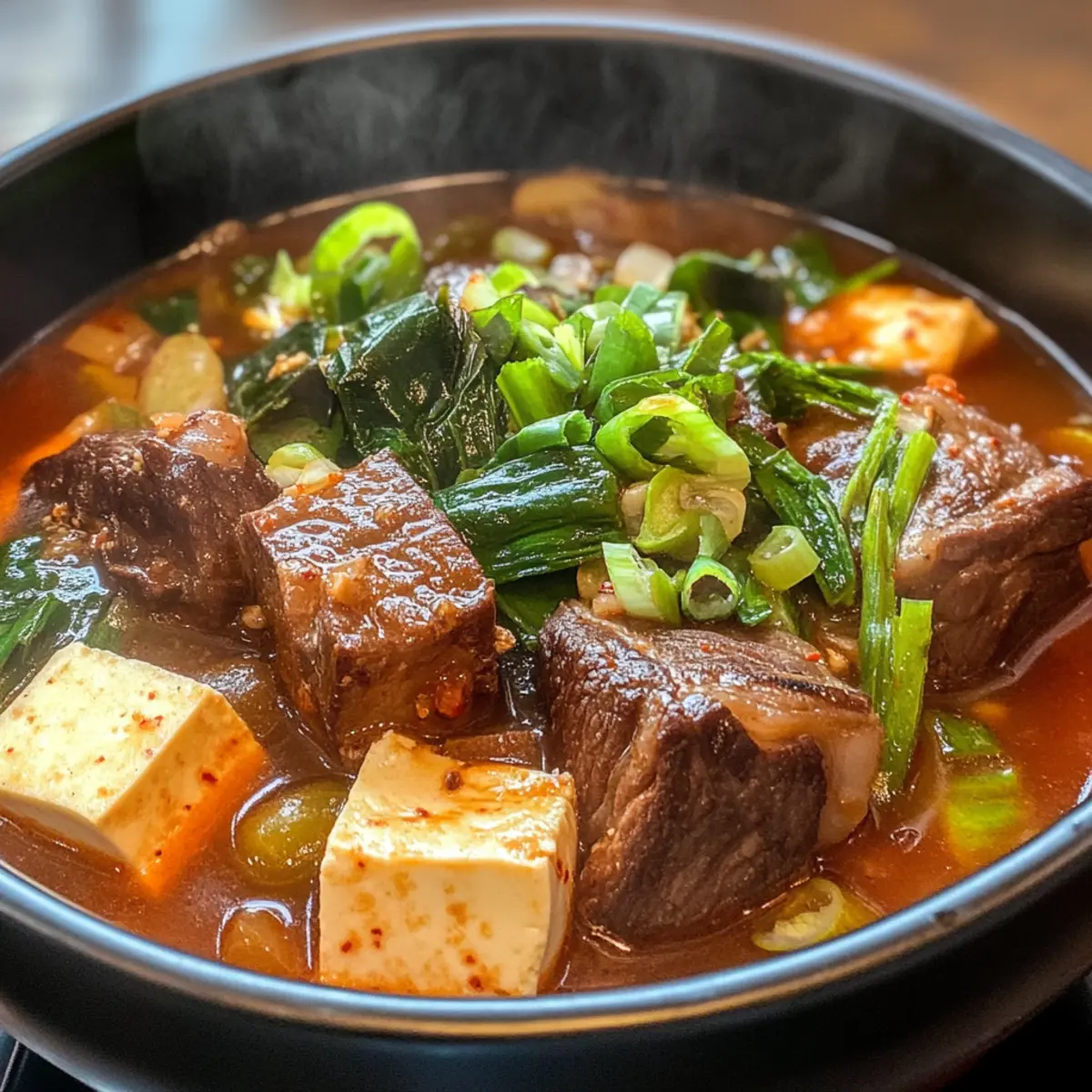
Expert Tips for Korean Winter Soup
Clearer Broth: Always skim excess foam while cooking to achieve a crystal-clear broth, enhancing the visual appeal of your Korean winter soup.
Right Tofu Choice: Soft tofu gives a delicate texture, while firm tofu provides a heartier bite. Choose based on your texture preference!
Flavor Adjustments: Be cautious with substitute ingredients, especially with regular leeks and soy sauce, as their flavors can vary significantly.
Season Carefully: When using alternatives, like tamari or coconut aminos, taste the broth before adding more salt to avoid over-seasoning.
Add More Veggies: Feel free to experiment with additional vegetables like carrots or bok choy for extra nutrition—just be mindful of cooking times to ensure everything is tender.
Korean Winter Soup Variations
Feel free to make this delightful Korean winter soup your own with these exciting twists and substitutions!
-
Vegetarian: Replace beef with large portobello mushrooms or seitan for a satisfying meat-free version. Both provide a hearty texture while soaking up the delicious flavors of the broth.
-
Gluten-Free: Use tamari or coconut aminos in place of guk ganjang to keep the dish gluten-free without sacrificing taste. It’s a simple swap that ensures everyone can enjoy this cozy bowl.
-
Extra Veggies: Add colorful vegetables like carrots, bok choy, or spinach to boost nutrition. These veggies not only contribute to the soup’s flavor but also brighten its appearance.
-
Tofu Twist: For a firmer texture, swap soft tofu for extra-firm tofu. The dense tofu will help hold up better under the heat and give a satisfying bite.
-
Heat Up: Sprinkle in gochugaru (Korean red pepper flakes) to introduce a warming spice to your soup. Adjust the quantity according to your heat preference for a personalized kick!
-
Broth Boost: Enhance your broth by incorporating a splash of your favorite bone broth alongside the water. This will deepen the savory richness, making each spoonful even more comforting.
-
Herb Infusion: Stir in fresh herbs like cilantro or basil as a garnish. Their fresh notes can provide a burst of flavor that brightens the entire dish, making it even more delightful.
-
Sweet Addition: Consider adding a small diced sweet potato for a hint of sweetness and creaminess. It pairs beautifully with the savory elements and makes the soup even more filling.
These variations allow you to customize your Korean winter soup to suit your cravings and dietary needs. And if you enjoy hearty soups, you might also love trying out a warm bowl of Wonton Soup Cozy or exploring the comforting flavors of Chicken Noodle Soup!
Make Ahead Options
These comforting Korean winter soup preparations are perfect for busy weeknights! You can prepare the beef short ribs by soaking them and chopping the aromatics up to 24 hours in advance, ensuring they stay fresh by keeping everything in airtight containers in the fridge. Additionally, you can make the broth and store it in the refrigerator for up to 3 days. When you’re ready to serve, simply reheat the broth, add any freshly sliced radish, and simmer for added flavor. This way, you’ll have a delicious, homemade Korean winter soup ready to enjoy with minimal effort, ensuring your meal is just as nourishing and satisfying as if it were made fresh!
Storage Tips for Korean Winter Soup
Fridge: Store leftover Korean winter soup in an airtight container in the refrigerator for up to 3 days. The flavors may meld and taste even better the next day!
Freezer: If you’d like to save it for later, freeze the soup in freezer-safe containers for up to 3 months. Be sure to leave some space at the top for expansion as it freezes.
Reheating: To enjoy, thaw overnight in the fridge and reheat gently on the stove over low heat, stirring occasionally to ensure it warms evenly, adding a splash of water if needed.
Serving: Garnish with fresh green onions and enjoy with steamed rice; it’s the perfect comforting meal for chilly evenings!
What to Serve with Tasty Korean Winter Soup
Embrace the essence of comfort food by pairing your bowl of deliciousness with thoughtful sides that enhance its warmth and flavor.
- Steamed Rice: This is the perfect partner for your soup, absorbing the rich broth and making every bite satisfying and cohesive.
- Homemade Kimchi: A tangy and spicy accompaniment, offering a crunchy contrast to the silky tofu and tender beef while enriching your meal with probiotics.
- Korean Pancakes (Pajeon): These savory pancakes add a delightful crunch and a burst of green onion flavor, complementing the broth beautifully.
- Sesame Spinach Salad: Fresh and vibrant, this salad offers a light, refreshing touch to balance the hearty richness of the soup.
- Pickled Radish: The bright acidity and crunch of pickled radish cut through the savory notes, enhancing the overall dining experience while adding an Asian flair.
- Crispy Tempura Vegetables: Lightly battered veggies add an exciting texture to your meal, inviting a playful element alongside the warm soup.
- Chilled Soy Milk: For a refreshing drink, chilled soy milk offsets the warmth of the soup while keeping with the Korean cuisine theme.
- Sweet Red Bean Dessert: Finish your meal with this unique dessert; its sweetness complements the savory flavors of your soup and closes the dining experience on a comforting note.
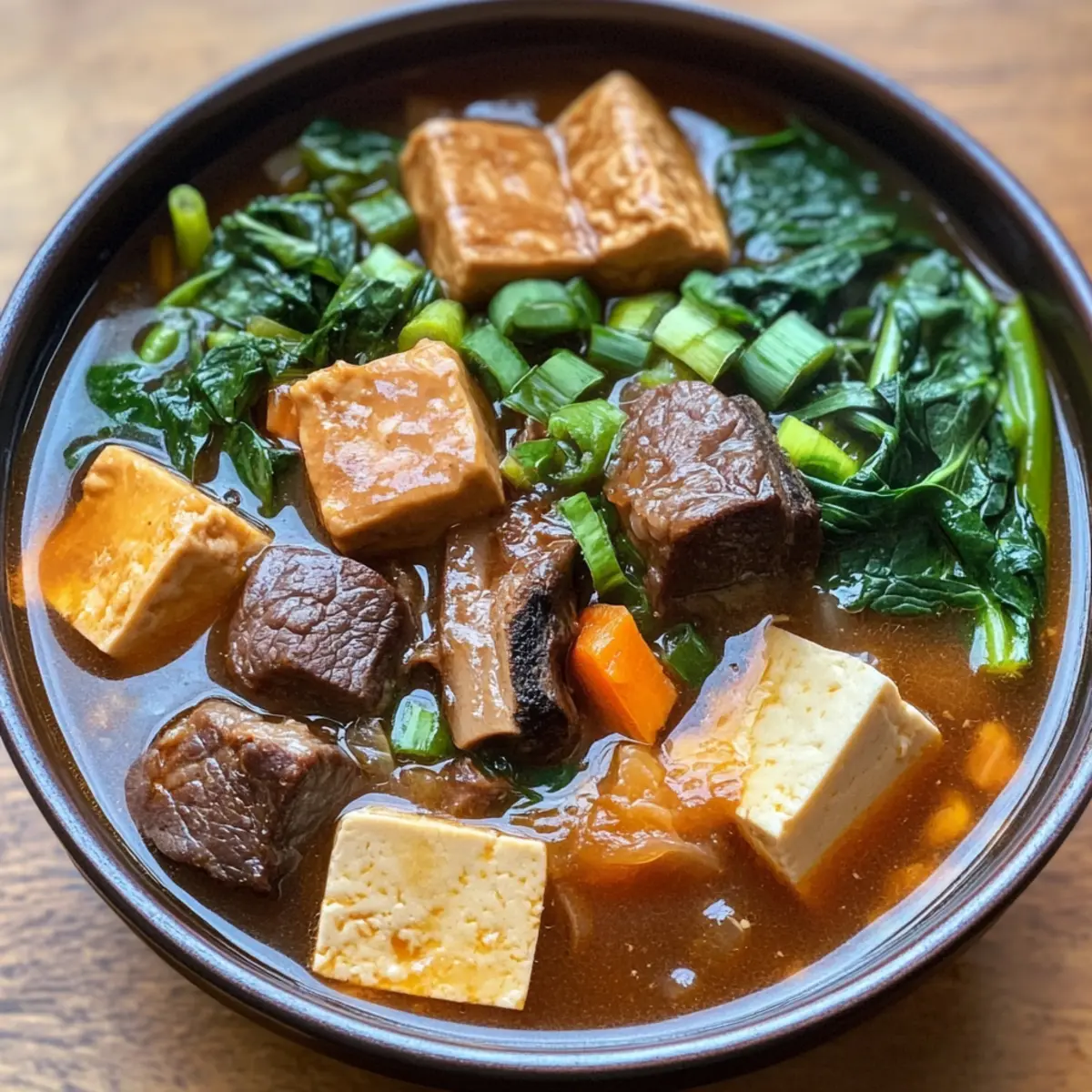
Korean Winter Soup Recipe FAQs
What type of beef is best for Korean winter soup?
For the best flavor, beef short ribs are recommended as they provide richness and tenderness. If unavailable, consider using beef shank or oxtail for similar results—just remember to adjust the cooking time for any larger cuts.
How should leftovers be stored?
Store your leftover Korean winter soup in an airtight container in the refrigerator for up to 3 days. By the next day, you might find that the flavors meld beautifully, enhancing the overall taste!
Can I freeze this Korean winter soup?
Absolutely! You can freeze the soup in freezer-safe containers for up to 3 months. Just be sure to leave some space at the top of the container for expansion. When you’re ready to enjoy it again, thaw overnight in the fridge and reheat gently on the stove over low heat.
What can I substitute for guk ganjang if I don’t have it?
If you don’t have guk ganjang on hand, you can substitute it with regular soy sauce mixed with a bit of fish sauce for a similar depth of flavor. For a gluten-free option, try tamari or coconut aminos. Be cautious with the quantities, as these alternatives can have different salt levels.
Is this recipe suitable for vegetarians?
Yes! You can create a vegetarian version of Korean winter soup by swapping out the beef for large portobello mushrooms or seitan, and using vegetable broth instead of beef broth. Feel free to add more vegetables, like carrots or bok choy, to enhance the nutrition and flavors.
What should I do if my broth is cloudy?
If your broth turns cloudy during cooking, don’t worry! This often happens when impurities are not skimmed off during the initial boiling stage. To clear it up, simply strain the broth through a fine-mesh sieve after cooking, discarding the solids, and you’ll have a beautifully clear soup ready to serve.
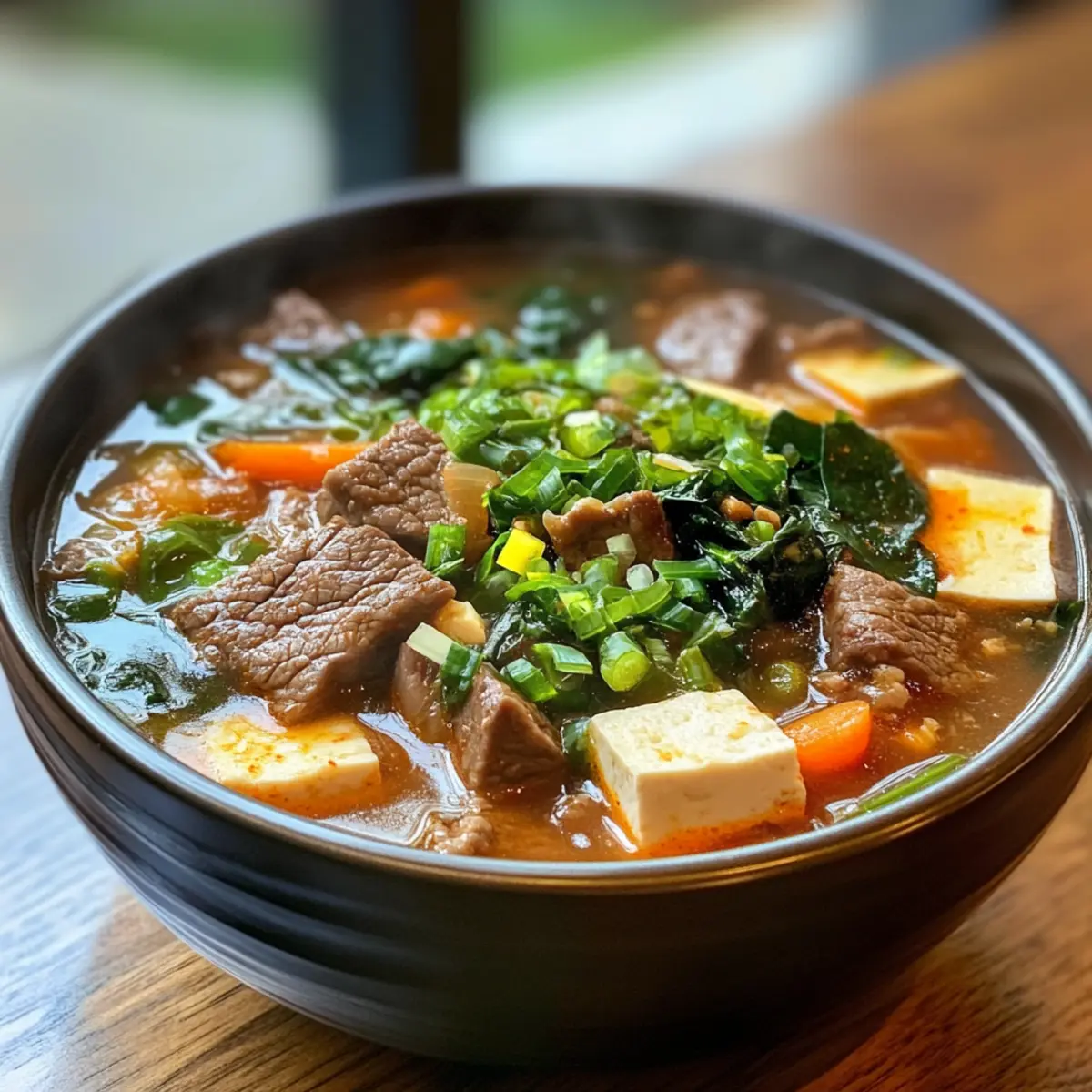
Cozy Up with This Heartwarming Korean Winter Soup Recipe
Ingredients
Equipment
Method
- Soak the beef short ribs in cold water for 1 hour, then drain and pat them dry.
- Halve a whole yellow onion, chop the ginger and garlic, and clean the green onions.
- In a large stock pot, combine the soaked ribs with aquatics and add 10 cups of water. Bring to a boil.
- Once boiling, reduce heat to medium and skim the brownish foam. Let it simmer for 1 hour.
- After 1 hour, add sliced radish to the pot and simmer for an additional 20 minutes.
- Carefully remove all the aromatics and beef from the pot, keeping the broth.
- Return the broth to heat and stir in guk ganjang, a pinch of salt, and remaining garlic. Simmer for 10 minutes.
- Ladle the soup into bowls, garnish with green onions, and serve.
Leave a Reply