
As I stood over the stove, I could hear the sizzle of butter in the pan, the tantalizing sound that signals breakfast is on its way. My creamy cottage cheese scrambled eggs have become my new morning ritual, transforming a simple meal into a high-protein delight that fuels my day. Not only do these fluffy eggs come together in just 15 minutes, but they also offer a comforting, custard-like texture that makes them feel indulgent without the fuss. Plus, the beauty of this dish is its versatility; you can easily customize it to suit your tastes or dietary needs. So, whether you’re a busy professional or a stay-at-home chef looking for a quick and nutritious start to your day, I promise you’ll love these cottage cheese scrambled eggs. Curious about how to achieve that perfect fluffiness? Let’s dive in!
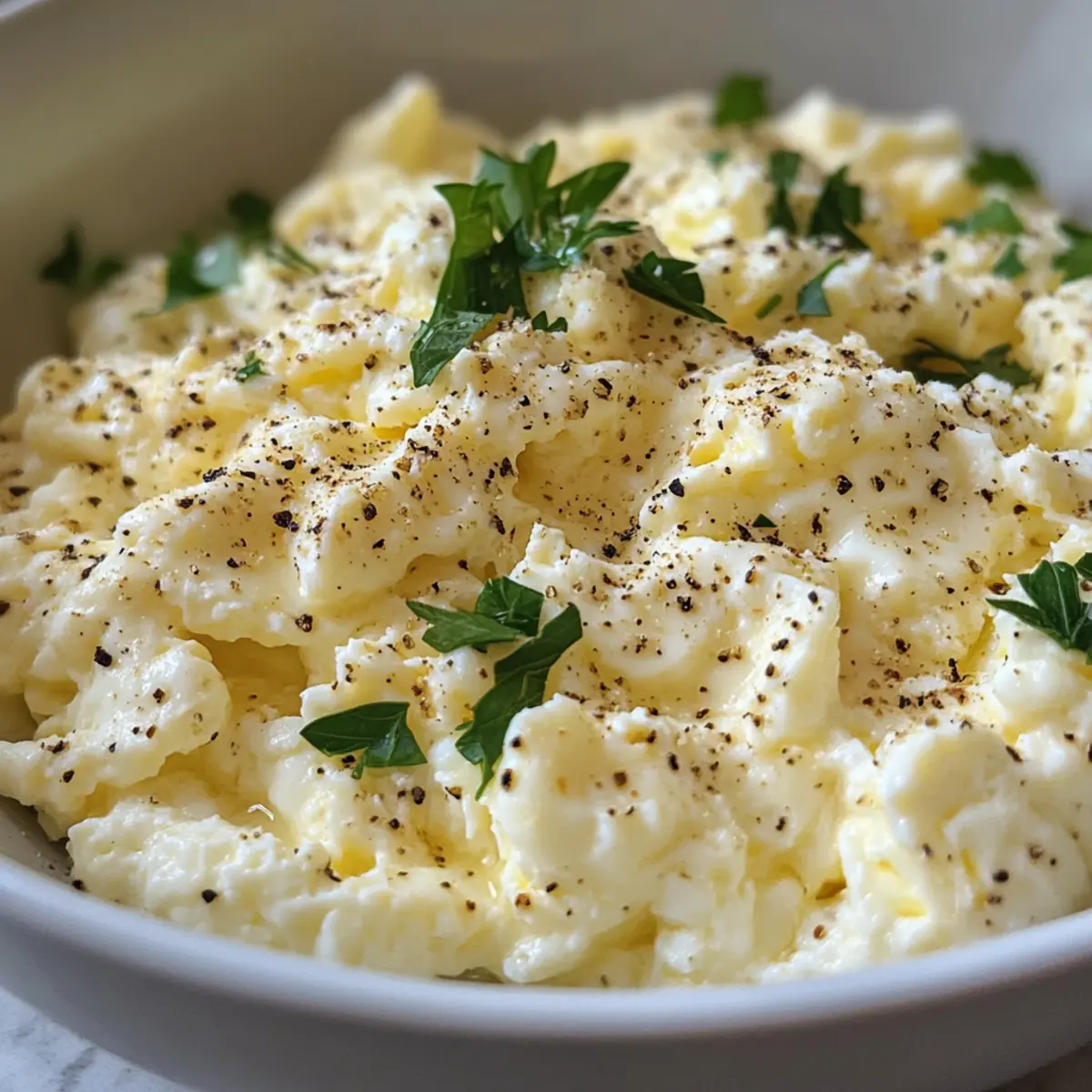
Why are cottage cheese scrambled eggs special?
Fluffy Texture: The combination of eggs and cottage cheese creates a delightful, custard-like fluff that elevates your typical scrambled eggs into something spectacular.
High-Protein Boost: Packed with protein, this breakfast option not only energizes your mornings but also keeps you satisfied for longer.
Quick and Easy: Ready in just 15 minutes, these scrambled eggs fit perfectly into any busy schedule.
Customizable Delight: Add herbs, veggies, or even cheese to make it your own—endless possibilities await!
Comfort Food Vibes: With a creamy, soft texture, these eggs offer a comforting start to your day, reminiscent of indulgent breakfasts without the hassle.
Cottage Cheese Scrambled Eggs Ingredients
For the Eggs
• Eggs – The foundation of this dish, fresh eggs yield the best taste and texture.
• Cottage cheese – Adds creaminess and a protein boost; small curd blends more smoothly for a silkier finish.
For Flavor
• Salt – Enhances the flavors; adjust to suit your taste.
• Black pepper – Freshly cracked pepper adds a delightful kick.
• Garlic powder – Optional for a subtle depth of flavor that complements the eggs.
For Cooking
• Butter – Provides rich taste and helps in non-stick cooking; substitute with olive oil for a dairy-free option.
Step‑by‑Step Instructions for Cottage Cheese Scrambled Eggs
Step 1: Whisk Eggs
Begin by cracking four fresh eggs into a medium mixing bowl. Use a whisk to beat the eggs vigorously until the yolks and whites are fully combined, creating a uniform mixture. This should take about 1-2 minutes. You want the eggs to have a pale yellow color and a frothy appearance—this ensures a fluffy texture in your cottage cheese scrambled eggs.
Step 2: Mix Ingredients
Next, add in approximately half a cup of cottage cheese, along with a pinch of salt, freshly cracked black pepper to taste, and a dash of garlic powder if desired. Gently stir the mixture with a spatula until everything is incorporated. This step allows the cottage cheese to blend seamlessly with the eggs, enhancing their creaminess and flavor without over-mixing.
Step 3: Heat Butter
In a non-stick skillet, melt about a tablespoon of butter over medium-low heat. Allow it to foam and become slightly bubbly, which indicates that it’s hot enough for cooking. Keep an eye on the butter to ensure it doesn’t brown; you want it to be a gentle sizzle for even cooking of your cottage cheese scrambled eggs.
Step 4: Cook Eggs
Pour the egg and cottage cheese mixture into the skillet, allowing it to spread evenly across the surface. Let it sit undisturbed for about 20 seconds so that the base can set slightly. This initial stillness is vital as it helps form soft curds for a fluffy texture in your scrambled eggs.
Step 5: Stir Gently
Using a silicone spatula, gently push the cooked edges toward the center of the skillet. Tilt the pan to let any uncooked egg flow toward the outer edges. Continue this gentle stirring every 15-20 seconds for a total of 2-3 minutes. This technique ensures that your cottage cheese scrambled eggs cook evenly while maintaining their fluffiness.
Step 6: Finish Cooking
Once the eggs are mostly set but still glossy and slightly runny in some areas, remove the skillet from the heat. The residual heat will continue to cook the mixture gently. The goal is to achieve that custard-like texture, so don’t worry if they look a bit undercooked at this stage; they’ll firm up as they rest.
Step 7: Serve Immediately
Transfer your creamy cottage cheese scrambled eggs to a warm plate. They’re best enjoyed right away while still fluffy and hot. Pair them with buttered toast or sliced avocado for a delightful breakfast that wraps you in comfort, making your morning a little brighter.
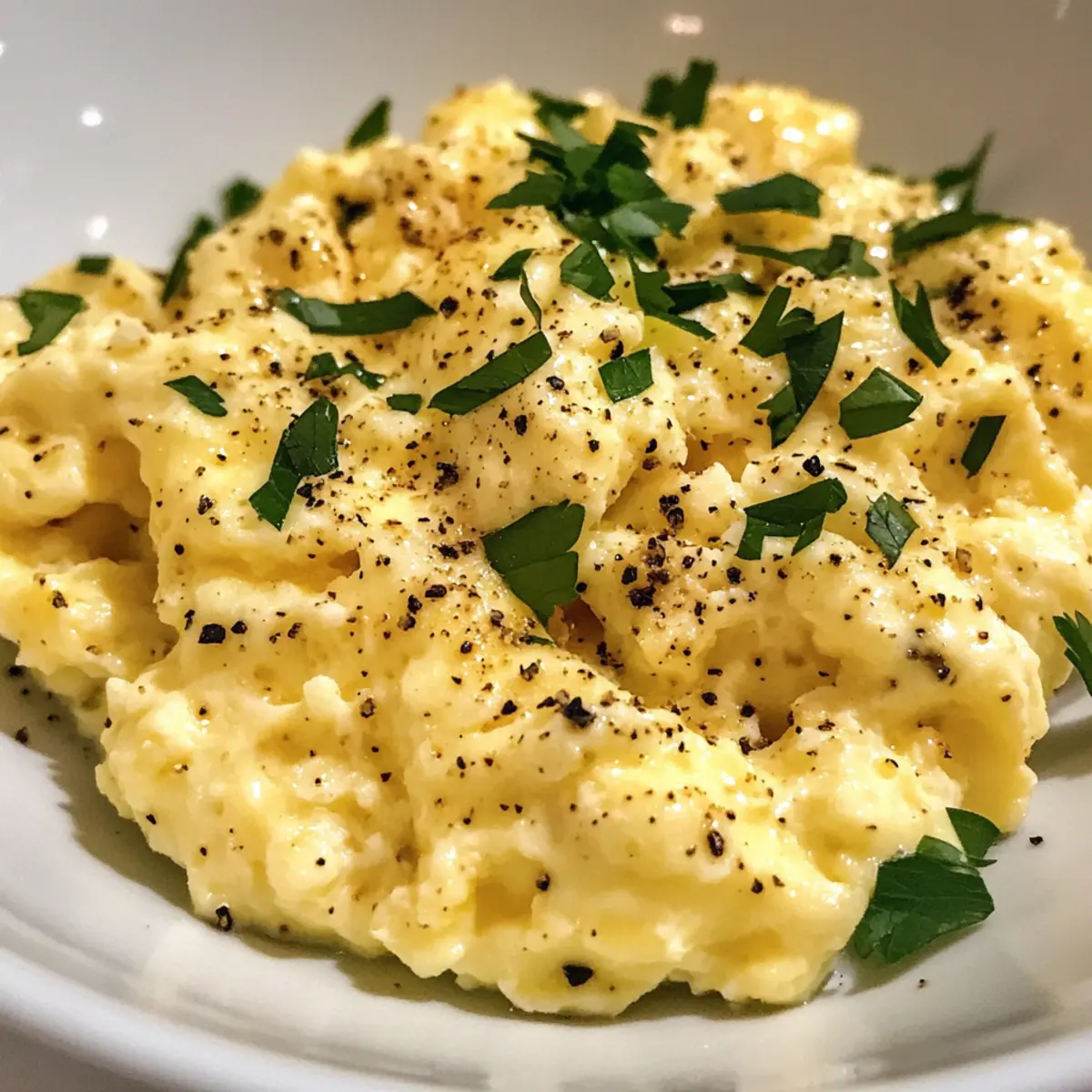
Cottage Cheese Scrambled Eggs Variations
Feel free to explore these delicious variations that will transform your cottage cheese scrambled eggs into your perfect breakfast delight!
-
Herb-Infused: Add fresh chives, dill, or parsley for a burst of freshness and vibrant color. The herbs will elevate the dish with every bite.
-
Veggie Boost: Stir in sautéed spinach, bell peppers, or mushrooms before cooking. Not only do they add nutrition, but they also enhance the flavor profile.
-
Cheesy Option: For an extra cheesy twist, fold in shredded cheddar or crumbled feta just before serving. The melty goodness will make your breakfast even more decadent!
-
Spicy Kick: Incorporate a pinch of cayenne pepper or top your eggs with sliced jalapeños for an exciting heat level. This spicy addition will surely awaken your taste buds!
-
Avocado Twist: Top your finished eggs with sliced avocado or serve them alongside a creamy avocado spread. The richness of the avocado complements the fluffiness of the eggs beautifully.
-
Protein-Packed: Pair your eggs with crispy bacon or breakfast sausage for a boost of savory flavor and extra protein. The salty crunch creates a perfect contrast.
-
Breakfast Bowl: Serve your scrambled eggs as a breakfast bowl with toasted quinoa or brown rice as a base. Add cherry tomatoes and a drizzle of olive oil for a hearty meal.
-
Yogurt Swap: For a tangy twist, substitute the cottage cheese with Greek yogurt. This swap will create a creamy texture and a delightful contrast in flavors.
And if you’re looking for more incredible flavors, check out my Protein Chicken Cottage recipe or indulge in a sweet treat with Strawberry Cheesecake Cinnabon. Enjoy, and happy cooking!
How to Store and Freeze Cottage Cheese Scrambled Eggs
Fridge: Store your cottage cheese scrambled eggs in an airtight container for up to 2 days. Reheat gently in the microwave or on the stovetop to restore their fluffy texture.
Freezer: While not ideal, you can freeze leftovers for up to 1 month. Portion them into freezer-safe containers, ensuring to label with the date. Thaw overnight in the fridge.
Reheating: When reheating, add a splash of milk or water to your eggs to help rejuvenate their creaminess. Stir gently over low heat until warmed through.
Serving Tip: Enjoy your eggs immediately after reheating, as their texture is best fresh and fluffy!
Make Ahead Options
These Cottage Cheese Scrambled Eggs are perfect for busy mornings! You can whisk the eggs and mix in the cottage cheese, salt, black pepper, and garlic powder up to 24 hours in advance. Store the mixture in an airtight container in the refrigerator to maintain freshness. When you’re ready to enjoy your meal, simply melt some butter in a skillet, pour in the prepped mixture, and cook as directed. Keep in mind that the eggs will cook beautifully when combined with cottage cheese, ensuring they stay creamy and fluffy, making your breakfast a breeze with minimal effort!
Expert Tips for Cottage Cheese Scrambled Eggs
-
Gentle Heat: Cook over medium-low heat to avoid a rubbery texture. Patience is key for achieving that creamy result.
-
Carryover Cooking: Remove the eggs from heat before they are fully set. They’ll continue cooking with residual heat for perfect consistency.
-
Minimal Stirring: Avoid constant stirring; instead, gently fold the eggs infrequently. This maintains the fluffy texture of your cottage cheese scrambled eggs.
-
Skillet Control: If the eggs are cooking too quickly, temporarily lift the pan off the heat to regulate the cooking temperature.
-
Taste Adjustment: Don’t hesitate to taste and adjust salt and pepper as you go; everyone’s palate is different, and finding your perfect balance is crucial!
What to Serve with Cottage Cheese Scrambled Eggs
Treat your morning to a delightful spread that complements the creamy comfort of your breakfast.
- Buttered Toast: The crunch of toasted bread adds texture and absorbs the richness of the eggs, making every bite a joy.
- Sliced Avocado: Creamy avocado offers a fresh touch, balancing the protein-packed eggs with its smooth texture and healthy fats.
- Cherry Tomatoes: Juicy and sweet, these vibrant tomatoes deliver a burst of freshness that contrasts perfectly with the richness of the scrambled eggs.
- Crispy Bacon: The salty crunch of bacon brings a savory note, enhancing the flavors of your cottage cheese scrambled eggs beautifully.
- Breakfast Sausage Links: Savory sausages add depth and heartiness, making your meal feel more substantial without overwhelming the dish.
- Roasted Breakfast Potatoes: Crispy, seasoned potatoes provide a satisfying crunch alongside the creamy eggs, balancing the breakfast experience perfectly.
- Fresh Herbs: A sprinkle of chives or parsley adds a pop of color and a burst of flavor, elevating the dish to new heights.
- Fresh Fruit Salad: The sweetness of fresh fruits rounds out the meal, offering a refreshing finish to the savory flavors of the eggs.
- Coffee or Herbal Tea: A warm beverage creates a soothing morning atmosphere, making each bite more enjoyable and completing your delightful breakfast ritual.
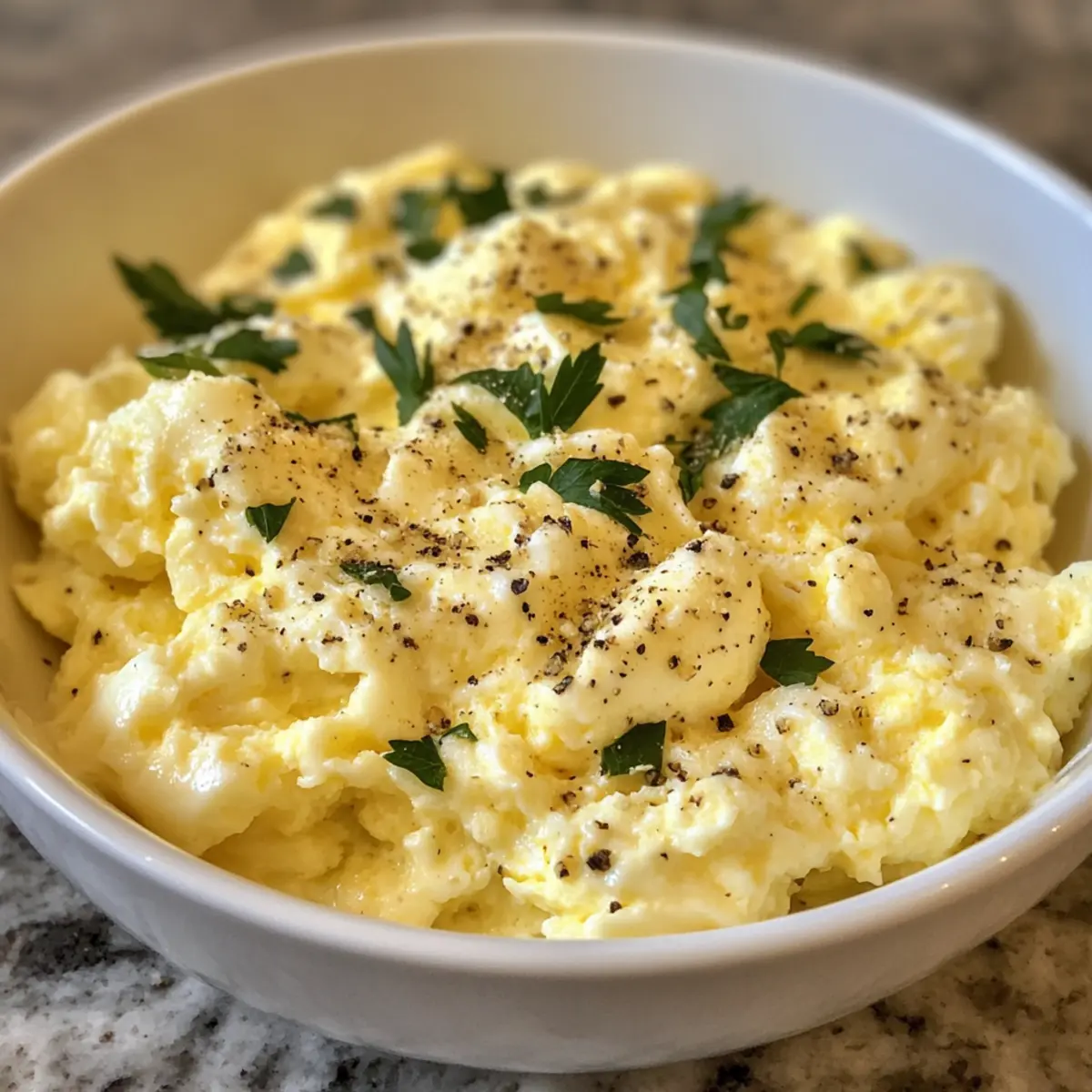
Cottage Cheese Scrambled Eggs Recipe FAQs
How can I select the best ingredients for my cottage cheese scrambled eggs?
Absolutely! When choosing eggs, look for fresh, high-quality ones, ideally organic or free-range for the best flavor and nutrition. For cottage cheese, I recommend going for small-curd options as they blend more seamlessly into the eggs, providing that creamy texture. Be sure to check the cottage cheese for any signs of spoilage, such as an off smell or dark spots.
What is the best way to store leftover cottage cheese scrambled eggs?
You can store your cottage cheese scrambled eggs in an airtight container in the refrigerator for up to 2 days. To maintain their fluffy texture, gently reheat them in the microwave wrapped in a damp paper towel or on the stove over low heat, adding a splash of milk or water to revive their creaminess.
Can I freeze cottage cheese scrambled eggs?
Yes, you can freeze leftovers, but keep in mind that the texture may change slightly. Portion your scrambled eggs into freezer-safe containers and label them with the date. They can be frozen for up to one month. When ready to eat, thaw them overnight in the fridge and reheat gently, adding a bit of liquid if necessary to restore creaminess.
Why are my scrambled eggs rubbery, and how can I prevent that?
If your scrambled eggs turn out rubbery, it’s likely due to cooking them over too high heat. Always use medium-low heat for a gentle cook. Another tip is to remove them from the heat when they’re still slightly glossy—they’ll continue to cook from the residual heat. Remember to stir gently and infrequently, allowing large, soft curds to form.
Are there any dietary considerations with cottage cheese?
Very! Cottage cheese is high in protein and can be a great option for most diets. However, if you have a lactose intolerance, go for lactose-free cottage cheese or omit it altogether. Always check the ingredient label for any allergens, especially if you’re cooking for others, since some brands may include additives or preservatives. If cooking for pets, be cautious with seasonings and avoid ingredients like salt or garlic powder, as they can be harmful.
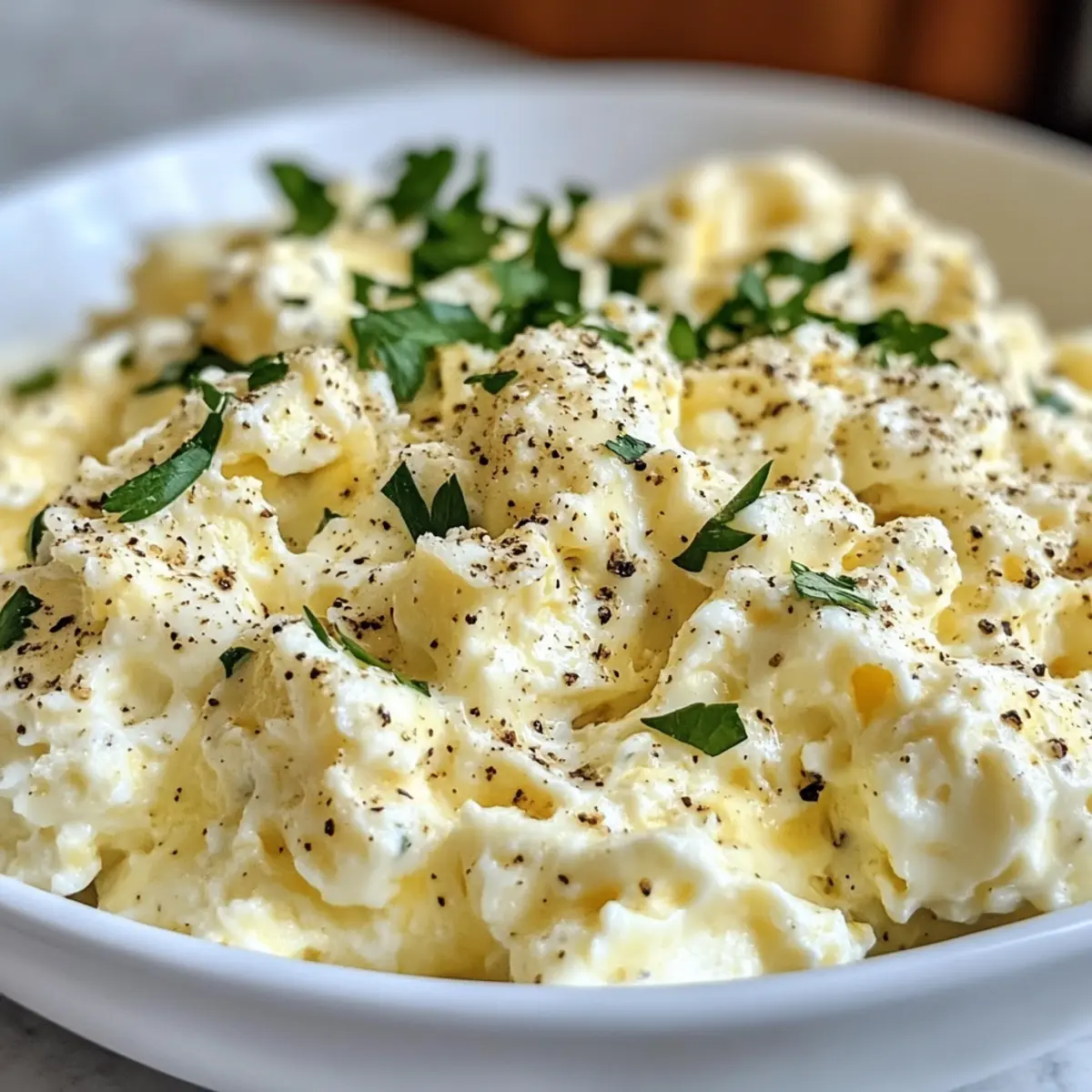
Cottage Cheese Scrambled Eggs for a Creamy Morning Boost
Ingredients
Equipment
Method
- Whisk 4 fresh eggs in a bowl until combined for a fluffy texture.
- Mix in 0.5 cups of cottage cheese, salt, pepper, and garlic powder until combined.
- Melt 1 tablespoon of butter in a non-stick skillet over medium-low heat.
- Pour the egg mixture into the skillet and let sit for 20 seconds to set.
- Gently stir the edges toward the center every 15-20 seconds for 2-3 minutes.
- Remove from heat when mostly set but still glossy and slightly runny.
- Serve immediately on a warm plate with toast or avocado.
Leave a Reply